
Sometimes the best writing advice comes from non-writing sources. Advice such as how to find your personal paradigm. What does this have to do with creating great characters? Read on, I'll tell you.
I recently subscribed to an e-zine (a magazine subscription on my iPad) called THRIVEOLOGY. Recommended to me by a good friend, THRIVEOLOGY MAGAZINE publishes articles that are “dedicated to helping you thrive.” One article, in particular, found in the free introductory issue, inspired not only my soul but also, my writer’s spirit!
“We All Have A Paradigm!” written by Lee Baucom, examines the concept of personal paradigm; meaning, that lens through which each individual views the world.
“Everyone has a paradigm. We all have a way we view the world. That view is created by many different factors...These factors include our genetics, gender, age, education, culture, society in which we live, and many other factors.”
The intent of the article was to help promote personal growth; however, from my perspective, it was one of the clearest articles on creating characters I have ever read.
Baucom explains how our paradigm (that point from which we start, whether we grew up poor or rich, loved or unloved, in a conservative or liberal family…even our genetic predisposition for depression, genius, etc.…) affects almost every human encounter we have.
“…our paradigm helps us explain the world.” Also, “…your paradigm and my paradigm are different, and create very different understandings of the same events.” And perhaps most important (at least from my writer’s point of view), Baucom points out that “Struggle gives us an opportunity to challenge our paradigm.”
So how does this relate to creating great characters? By defining your protagonist’s paradigm, and then forcing them to step out of it, to change, you not only give them a chance to grow—you give them a story!
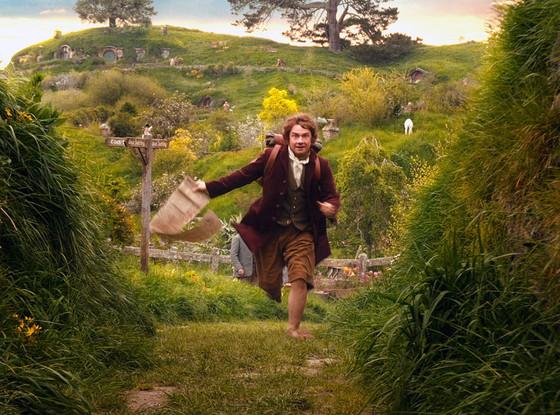
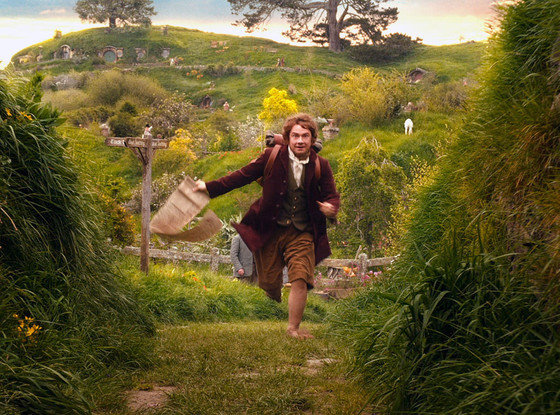
From the movie, THE HOBBIT: An Unexpected Journey
For example, at the start of J.R.R. Tolkien’s fantasy novel, THE HOBBIT, he begins by clearly defining the paradigm through which his protagonist, Bilbo Baggins sees the world. Having spent his entire life in the Shire, Bilbo views the world as a place of comfort, plenty of food, the surety of a good smoke, and one in which he can expect little variation from his daily routine. Then the wizard Gandalf arrives, bringing with him thirteen dwarves intent on killing a dragon and promises of adventure—adventure, which Bilbo Baggins wants nothing to do with. Why? Because adventure and dragons (danger) threaten his paradigm. But, of course, that’s exactly what Tolkien meant to do. Had Bilbo remained in the Shire, he would not have risen above being a simple hobbit to become a hero. More importantly, Tolkien would have had no story to tell.
I might also note that Tolkien took into account genetics when he created Bilbo Baggins. As Gandalf points out, the reason he chose Bilbo was due to Bilbo’s mother, Belladonna Took, with whom he’d been good friends. One of Belladonna’s relatives was said to have taken a fairy wife and the Took-clan had a reputation for not being entirely hobbit-like (i.e. having an inclination towards adventure). Had Tolkien not provided this non-hobbit genetic predisposition, it might have felt false for Bilbo to decide suddenly to take off and join the dwarves. In fact, Bilbo’s Tookish side explains why, though he loved the quiet life of the Shire, there was always a part of him that never entirely fit.
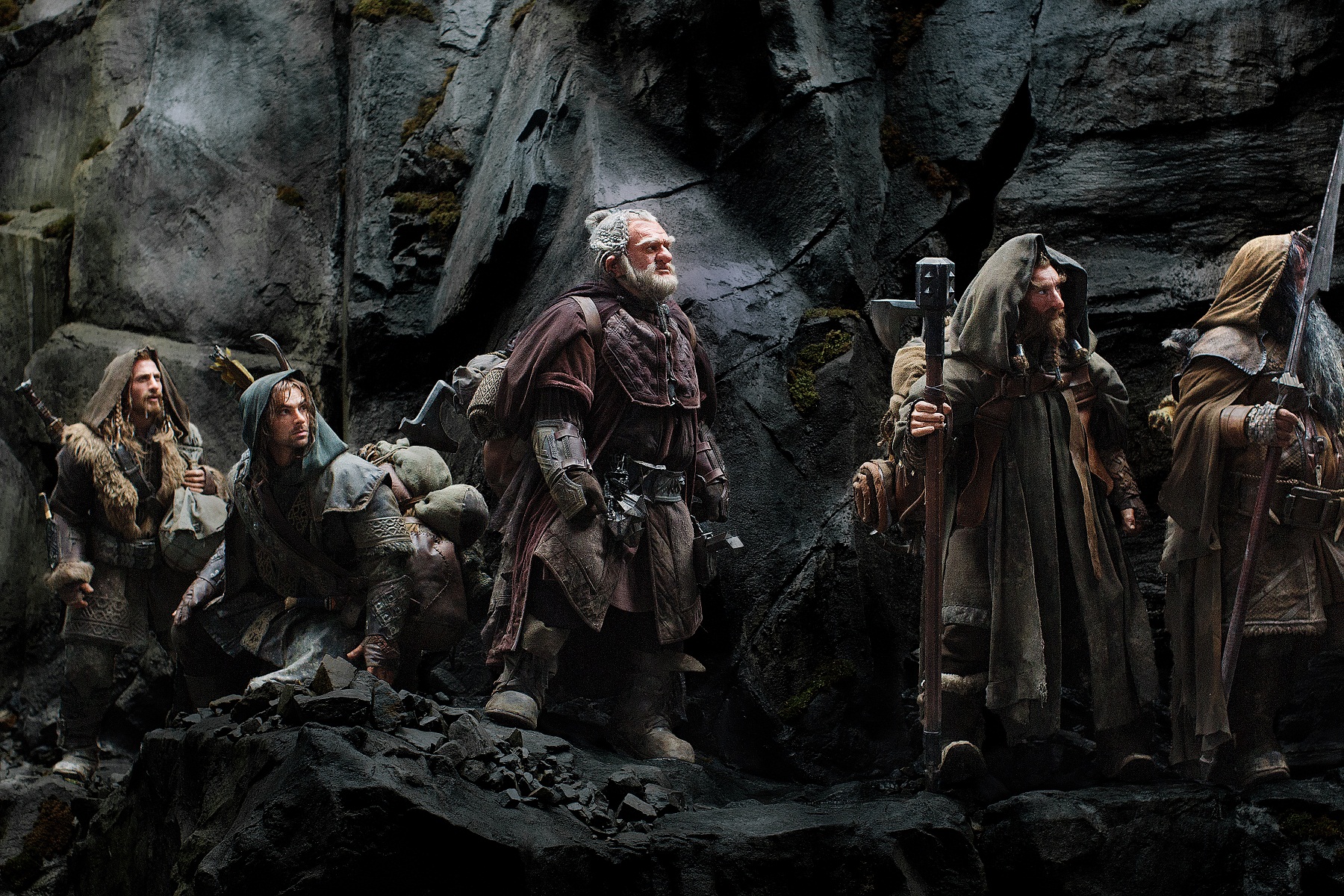
From the movie, THE HOBBIT: An Unexpected Journey
I encourage you to examine some of your favorite stories and notice how each of the characters, be they major or minor, react to their world based on their personal paradigms. Then look at your own writing. Are your characters remaining true to their paradigm? For example, a character with no athletic ability would not suddenly find climbing a mountain easy unless he or she had recently acquired a special power. In fact, a character like that would need a pretty good reason (aka, motivation) to be climbing a mountain at all. (In Bilbo’s case, being chased by Orcs and Dragons was definitely motivational!)
And remember, in order for your protagonist to have a story worth telling, there must be some event, be it physical or mental, which forces them to step out of their paradigm and see the world in a different way.
For more information on personal paradigms, check out Thriveology.

Outstanding blog and topic for the day. I can’t wait to read what you write next!! – Tina P.
Thanks, Tina. I can’t wait to see either!
Fantastic article. Thank you!
Thanks, Jade. The original article, by Lee Baucom, was inspiring to me… especially as I am just at the beginning stages of a new novel, with new characters to create.
FANTASTIC. I’ve thought too little about this in terms if characterization. This might be the solution to any future character plot holes I find! Thank you!
of** iPad autocorrect 🙁
Thanks, I’ll be thinking about it for my next novel as well. 🙂